
Why Is My Dog So Itchy? Causes, Relief and When to See a Vet
Updated: Nov 15
As an Amazon Associate, I earn from qualifying purchases.
A dog that won't stop scratching is miserable, and so is everyone trying to sleep in the same room. The good news: most itchy dogs have one of a handful of common causes, and most respond well once you find the right one. The hard part is that itching is a symptom, not a diagnosis, so it pays to work out why before you buy anything.

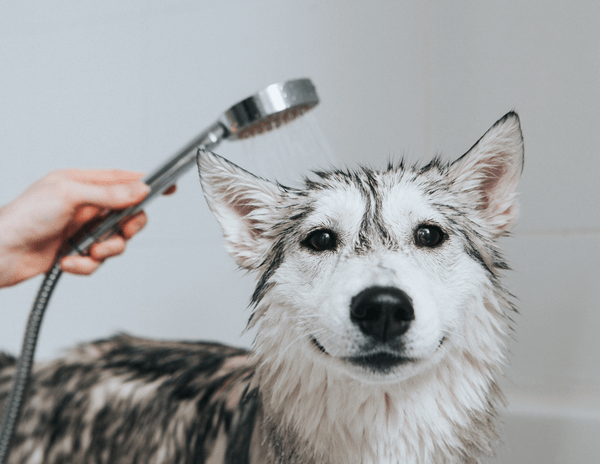
Some scratching is normal. Scratching, licking or chewing that won't stop is not. Photo: Unsplash
When to call your vet first
Skip the home remedies and call your vet if you see any of these:
Raw, bleeding or oozing skin, or a red, wet patch that grows quickly (a hot spot)
Hair loss in patches, scabs or crusts
A bad smell from the skin or ears, or head shaking
Itching so bad your dog can't sleep or eat
Swelling of the face, hives all over, or any trouble breathing (that's an emergency)
Itching in a puppy, or in a dog that's also lethargic or losing weight
Your vet can check skin scrapings and swabs under a microscope for mites, bacteria and yeast, often during the same visit.
Why is my dog so itchy but no fleas?
"No fleas" is one of the most common things people search, and it's tricky. One flea bite can set off days of itching in a flea-allergic dog, and dogs often groom the fleas away before you see them. Comb near the base of the tail with a fine-toothed flea comb and look for black specks ("flea dirt"); on a wet paper towel they turn reddish-brown. If your dog isn't on year-round flea prevention, start there (see How to Get Rid of Fleas on Dogs).
If fleas really are ruled out, the usual suspects are:
Environmental allergies (atopy). Pollen, dust mites and mold. Dogs rub their face, lick their feet and scratch their armpits and groin. Signs usually start between about 1 and 3 years old and are often seasonal at first.
Food allergies. Less common than people think, but they cause year-round itching, often with ear infections or loose stools. The only reliable test is a strict elimination diet your vet sets up (usually 8 to 12 weeks), not a blood test or a switch to grain-free food.
Contact irritation. A new shampoo, carpet cleaner, lawn treatment or bedding detergent. Look for redness where the skin touches things: the belly and feet.
Mites (mange). Sarcoptic mange causes intense itching, especially on the ear edges, elbows and belly, and it spreads to other dogs. It needs a vet diagnosis and prescription treatment.
Skin infections. Scratching damages the skin, and bacteria or yeast move in. These infections itch on their own, so the itch keeps going even after the original cause is fixed.
Dry skin. Dry winter air and frequent baths with harsh shampoo can cause flaking and mild itch, but dry skin alone rarely causes intense scratching.

Allergies often show up as itching and thinning fur on the face. Photo: Maja Dumat, CC BY 2.0
Itchy paws and constant licking
Paw licking is one of the most common allergy signs. Red, rust-stained fur between the toes (from saliva) and a yeasty, "corn chip" smell point to allergies with a yeast overgrowth. Wiping paws after walks removes pollen; your vet can check for yeast and prescribe a medicated wash or wipes if needed.

Red, sore skin between the toes from constant licking. Photo: Maja Dumat, CC BY 2.0
Hot spots: the red, wet patch that appears overnight
A hot spot (acute moist dermatitis) is a red, wet, often painful patch of skin, usually on the head, legs or hips. It starts with an itch; the dog licks and chews until the skin breaks, and bacteria take over. They can grow fast.
Small, early hot spots can sometimes be managed at home: trim the hair around it so it can dry, gently clean with mild soap and water, pat dry, and stop the licking with a cone. If it isn't drying out within a day or two, is painful, or keeps coming back, see your vet. Most hot spots have an underlying cause (often fleas or allergies) that also needs treating. Full guide: Hot Spots on Dogs.

A hot spot on a Golden Retriever: red, raw and wet. Photo: Kalumet, CC BY-SA 4.0
Yeast and smelly, greasy skin
Yeast (Malassezia) lives on normal skin but overgrows when allergies inflame it. Signs: a musty smell, greasy or darkened skin, and itchy ears and paws. Vets treat it with medicated shampoo or wipes and, when needed, medication, and then treat the allergy behind it. Itchy ears often go with itchy skin; see How to Treat a Dog Ear Infection Safely. Full guide: Yeast Infection in Dogs.

Allergy and yeast on a dog's belly: red, thin and patchy skin. Photo: Maja Dumat, CC BY 2.0
Itchy dog home remedies that are safe to try
Start or check flea prevention for every pet in the house, year-round. Ask your vet which product fits your dog.
Bathe with a gentle, soap-free dog shampoo. Oatmeal shampoos such as earthbath Oatmeal & Aloe are soothing. Use lukewarm water and rinse very well; leftover shampoo itches. A sprayer-and-scrubber bath brush makes the rinse much easier. Weekly is plenty unless your vet prescribes a medicated shampoo.
Wipe paws and belly after walks in allergy season (plain, unscented dog wipes work well).
Wash bedding weekly in hot water with a fragrance-free detergent.
Use a cone if your dog is chewing one spot raw. It breaks the itch-lick cycle. Many dogs tolerate an inflatable recovery collar better than a hard plastic cone.
Keep a short itch diary: when it's worse, where on the body, any new food or products. It speeds up the vet visit.
Can I give my dog Benadryl for itching?
Ask your vet first. Diphenhydramine (Benadryl) is sometimes used for mild allergic itching, but it doesn't help many itchy dogs, the dose depends on your dog, and it isn't safe for dogs with some conditions (such as glaucoma or high blood pressure) or for pregnant or nursing dogs. Some products contain other ingredients that are dangerous for dogs, such as decongestants, alcohol or xylitol, so only give a product your vet has approved. For allergy itch, vets now have more effective prescription options.
What to skip
Human creams and essential oils (especially tea tree oil): dogs lick them off, and some are toxic.
Vinegar sprays on broken skin: they sting and can make raw skin worse.
Hydrogen peroxide on wounds: it damages healing tissue. Use mild soap and water.
Switching foods every week: if your vet suspects a food allergy, one strict elimination diet tells you more than constant changes.
Itchy dog FAQs
Why is my dog so itchy at night?
Many owners notice the scratching most at night, when the house is quiet and a dog has nothing else to focus on. The causes are the same as daytime itching: fleas, allergies or a skin infection. If scratching keeps your dog from sleeping, call your vet.
Why is my dog so itchy all of a sudden?
Sudden itching usually points to something new: fleas, a new shampoo, cleaner or lawn treatment, or the start of pollen season. A hot spot can also appear overnight. Think back over the past week for changes, and call your vet right away for raw skin, swelling or hives.
Should I bathe my dog if it's itching and licking itself?
A lukewarm bath with a gentle, soap-free dog shampoo can soothe itchy skin and wash off pollen. Rinse very well, since leftover shampoo itches. Once a week is plenty unless your vet prescribes a medicated shampoo.
What can I use to stop my dog's itch?
Start with the cause: flea prevention, gentle baths, wiping paws after walks and a cone to stop the licking. For allergy itch, vets have prescription medicines that work far better than home remedies. Don't use human creams, essential oils or Benadryl without asking your vet first.
The bottom line
Most itchy dogs have fleas, allergies, or a skin infection on top of allergies. Rule out fleas first, keep the skin clean and stop the licking, and see your vet if it isn't better within a week or two, or right away for any of the warning signs above. Allergic itching is usually managed rather than cured, but with the right plan most dogs get comfortable again.
Related guides: How to Get Rid of Fleas on Dogs · How to Treat a Dog Ear Infection Safely · How to Help a Sick Dog · Hot Spots on Dogs · Yeast Infection in Dogs
Sources
Pruritus (Itching and Scratching) in Dogs, VCA Animal Hospitals
Allergies in Dogs, VCA Animal Hospitals
Canine Atopic Dermatitis, Merck Veterinary Manual
PupHealthy isn't a veterinary practice. This guide is general information, checked against the veterinary sources listed above, and it's not a substitute for advice from your own vet. If your dog has symptoms or you're unsure what to do, contact your veterinarian.
Spot a mistake? Let us know through the Contact page.


Comments